Tsavo East vs Tsavo West is the first real decision most first-time Kenya travelers face. The two parks sit on either side of the Nairobi-Mombasa highway, split by the same road and railway line that once brought the “man-eaters of Tsavo” into legend. Together they cover about 22,000 square kilometers, making Tsavo one of the largest protected wildlife areas on earth. For a first-time traveler, that scale is the problem. You cannot casually see both in an afternoon, and most guides do not tell you which one actually fits your trip.
This is a working comparison, not a sales pitch for either park. We will cover distances, fees, wildlife odds, camps by budget, and which side suits which kind of traveler.
Landscape and First Impressions
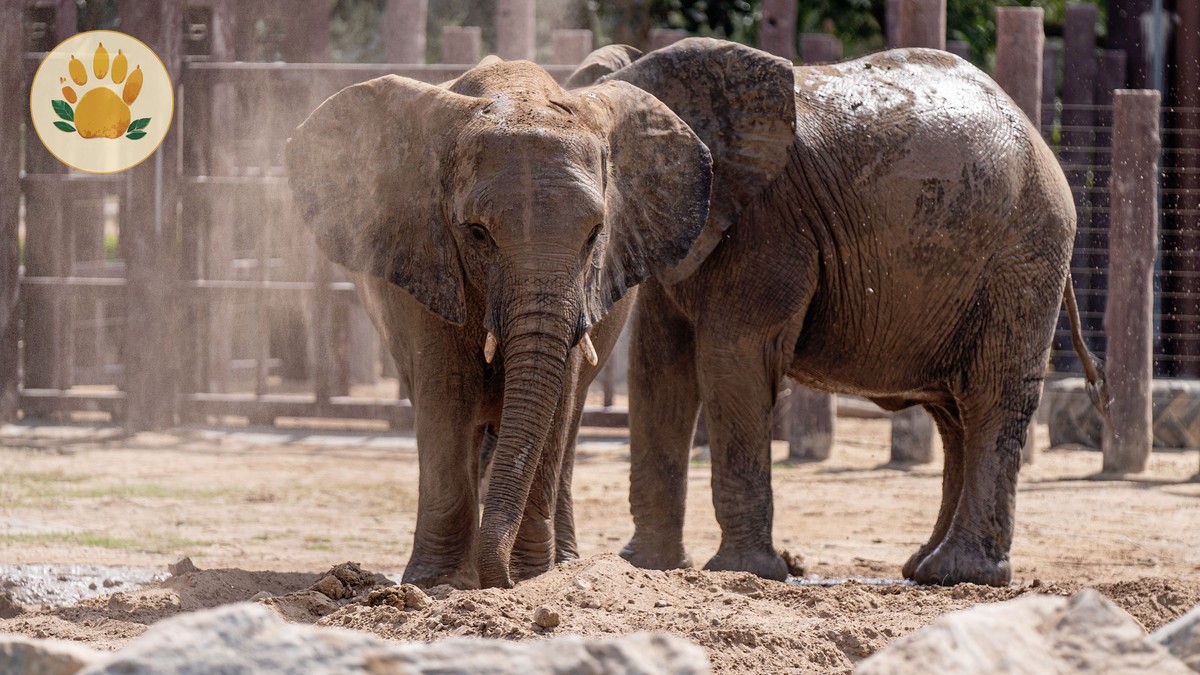
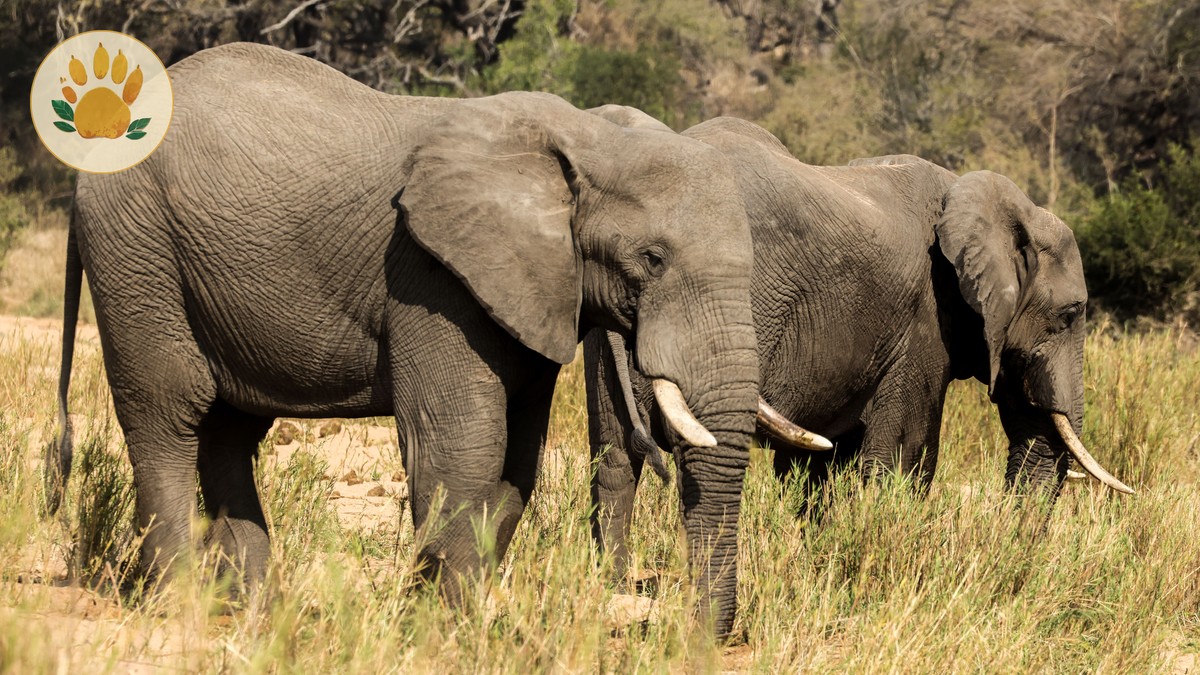
Tsavo East is flat, dry, and open. Red volcanic soil coats everything, including the elephants, which roll in it until their skin turns the color of brick. The Yatta Plateau, one of the world’s longest lava flows at roughly 290 km, runs along its western edge. Most visitor activity stays south of the Galana River, since the northern section is closed to tourism.
Tsavo West is rougher and greener, shaped by volcanic hills, black lava fields, and swamp-fed springs. The Chyulu Hills rise along its northern boundary, and the Shetani Lava Flow, a field of jagged black rock from an eruption roughly 200 years ago, still looks freshly cooled. If you want scenery that changes every hour, Tsavo West wins that argument easily.
Wildlife and Signature Sights
Both parks hold the Big Five, though sightings are never guaranteed anywhere in Kenya. Tsavo East is known for large elephant herds, especially around Aruba Dam and the Voi River, and for Lugard Falls, a set of rock-carved rapids on the Galana River. Mudanda Rock, a whale-back outcrop roughly 1.5 miles long, overlooks a natural dam that draws elephants in the dry months of July through October.
Tsavo West carries the park’s most-photographed single attraction: Mzima Springs’ underwater hippo viewing point, a glass-walled chamber fed by spring water filtered through volcanic rock from the Chyulu Hills. Hippos and crocodiles pass close enough to watch without a boat. Ngulia Rhino Sanctuary, a fenced sanctuary of roughly 90 sq km inside the park, is also one of the more reliable places in Kenya to see black rhino.
Birdlife is strong in both parks, with hundreds of species recorded across the combined ecosystem, but Tsavo West’s springs and swamps concentrate more water birds in a smaller area.
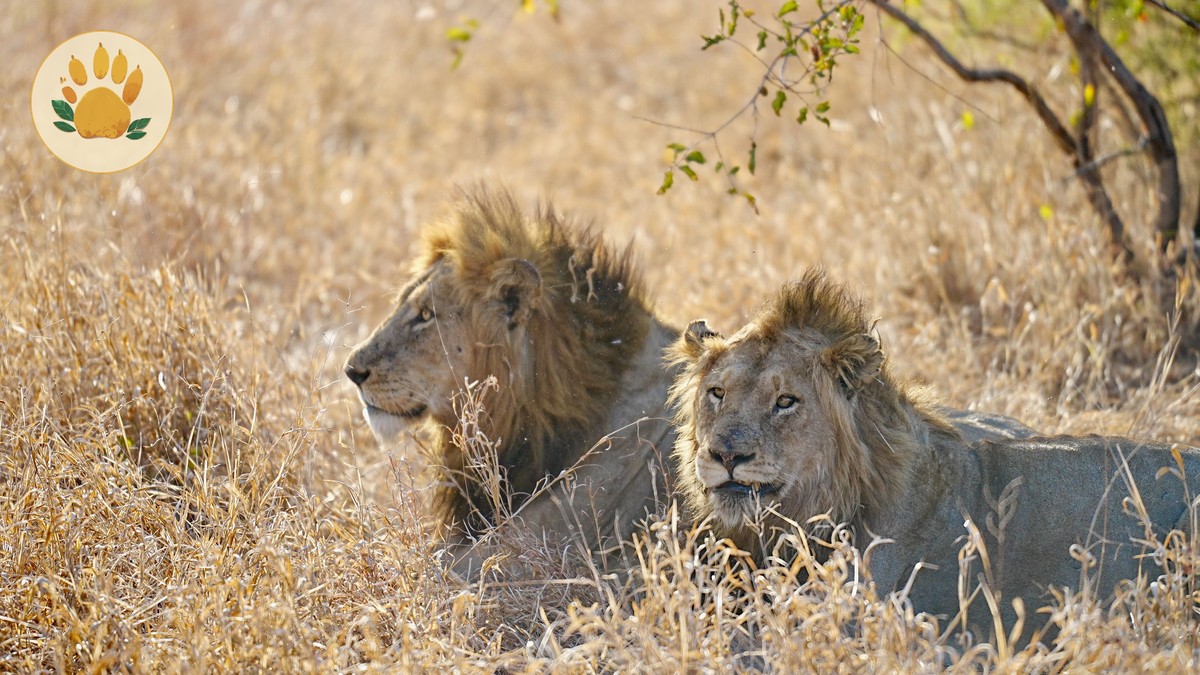
Beyond the Big Five, both parks hold healthy populations of giraffe, zebra, buffalo, and impala, along with cheetah and lion sightings that pick up around the drier months. Tsavo East’s open plains make spotting easier at a distance, since there is less cover for animals to disappear into. Tsavo West’s broken terrain rewards patience, since predators use the lava rock and thicket to stay hidden until they choose to move.
Tsavo East vs Tsavo West: Distance, Access, and Cost
| Factor | Tsavo East | Tsavo West |
|---|---|---|
| Main gate | Voi Gate | Mtito Andei Gate |
| Distance from Nairobi | About 333 km | About 233 km |
| Drive time from Nairobi | 4.5 to 5 hours | 3 to 3.5 hours |
| Distance from Mombasa | About 160 km | About 260 km |
| Drive time from Mombasa | 2 to 2.5 hours | 3.5 to 4 hours |
| Park size | Approx. 13,747 sq km | Approx. 9,065 sq km |
| Non-resident adult entry (indicative) | Roughly USD 60 to 80 per day | Roughly USD 60 to 80 per day |
| Non-resident child entry (indicative) | Roughly USD 35 to 45 per day | Roughly USD 35 to 45 per day |
| Crowd levels | Lower, especially north of Voi | Moderate, busier near Mzima |
Kenya Wildlife Service sets and periodically revises entrance fees for both parks, and the non-resident adult rate has generally tracked in the USD 60 to 80 per day range in recent years. We could not confirm an exact current figure or a precise effective date for this guide, so treat the numbers above as a planning range, not a quote. Always check the current KWS fee schedule directly before you book, since rates can shift by season, park, or gate.
On price, the two parks tend to land close together, so cost alone rarely decides the choice. Distance does more of that work. If you are flying into Mombasa for a beach add-on, Tsavo East’s Voi Gate is the shorter drive. If you are coming straight from Nairobi and continuing toward Amboseli, Tsavo West’s Mtito Andei Gate sits closer to that route.
Getting There
Both parks are reachable by road or light aircraft. Self-drive visitors usually take the Nairobi-Mombasa highway, entering Tsavo West at Mtito Andei or Tsavo East at Voi, and most sedans handle the main tracks fine in dry weather. Scheduled flights connect Nairobi’s Wilson Airport to airstrips near both parks, cutting a half-day drive down to about 45 minutes in the air. Guided transfers are worth considering if this is your first Kenya trip, since navigating gate paperwork and park roads solo adds stress you probably do not need on day one.
When to Visit
Dry seasons, roughly June to October and January to February, bring the best wildlife viewing in both parks. Vegetation thins out, so animals gather around permanent water sources like Aruba Dam, Mzima Springs, and the Galana River. Wet seasons, especially April and May, bring lush scenery and fewer visitors, but some roads turn to thick mud and a few can become impassable. Photographers often prefer the shoulder months, since light is softer and dust is lower without the heaviest rains.
Accommodation by Budget
Tsavo East
- Budget: Voi Safari Lodge’s public campsite, roughly USD 25 to 40 per person a night for camping.
- Mid-range: Ashnil Aruba Lodge, from around USD 180 to 260 per person a night, full board.
- Luxury: Satao Camp, a tented camp overlooking a waterhole, from around USD 350 to 500 per person a night.
Tsavo West
- Budget: Kitani Bandas or public campsites near Mtito Andei, roughly USD 20 to 35 per person a night.
- Mid-range: Severin Safari Camp, from around USD 200 to 280 per person a night.
- Luxury: Finch Hattons Luxury Camp, near Mzima Springs, from around USD 450 to 650 per person a night.
These figures move with season and currency, so treat them as a planning range rather than a quote.
Packing light but practical helps in both parks. Bring neutral-colored clothing, a hat, sunscreen, and a dust-proof bag for camera gear, since Tsavo East’s red dust gets into everything. A good pair of binoculars matters more here than in denser parks, given how far some sightings sit from the track.
Which Park Fits Which Traveler
If you have one day and want open plains, big herds, and a shorter drive from Mombasa, choose Tsavo East. If you have two or three days, want varied scenery, and plan to combine safari with Mzima Springs and the Chyulu Hills, choose Tsavo West.
Families with young children often do better in Tsavo West, since the springs and shorter game drive loops near Mtito Andei keep young kids engaged without the long, flat stretches Tsavo East sometimes demands. Photographers and adventure travelers tend to prefer Tsavo West’s terrain and light. First-timers who want the classic, uncomplicated safari picture, wide plains and red elephants, usually leave Tsavo East satisfied.
Can You Visit Both?
Yes, and many itineraries do. A common route enters through Tsavo West from Nairobi, spends one to two nights near Mzima Springs, then crosses south to Tsavo East for one or two more nights before exiting toward Mombasa or back to Nairobi. Four to five days covers both parks without rushing. Two days is workable but tight, and you will spend a noticeable share of it in the vehicle.
Before adding Tsavo to a longer trip, it helps to think through how many parks you should realistically visit on one Kenya trip. Tsavo pairs naturally with Amboseli, about a three-hour drive from Tsavo West’s Chyulu Gate area, and with the coast for a safari-and-beach combination. If you want a structured plan rather than piecing it together yourself, a 7-day Kenya safari itinerary that covers Tsavo is a reasonable starting template.
Both parks also support community conservancies on their borders, which channel some tourism revenue into local schools, water projects, and anti-poaching patrols. Choosing a lodge or camp that partners with these conservancies is a small way to make sure your visit benefits the people living alongside the wildlife, not just the wildlife itself.
The SafariPure Difference
We do not tell every client the same park is better. We ask where you are flying into, how many days you actually have, and what your children or knees can handle on rough roads. Some first-timers leave happier with one focused park done well than two parks rushed. Others want the fuller picture and have the days for it.
Our guides know both sides of Tsavo at ground level, from the waterhole rotations at Aruba Dam to the light at Shetani Lava Flow in late afternoon. We build the route around your actual trip, not a generic template, and we check current KWS fee and logistics information before we quote you, so you are not planning around outdated numbers.
Plan Your Tsavo Safari
Tsavo East and Tsavo West both reward the traveler willing to be specific about what they want. Tell us your dates, your budget tier, and whether the coast or Nairobi bookends your trip, and we will build a route that makes sense on the ground, not just on a map. Reach out through our contact page or browse our Tsavo safari tours to start planning.